
Why Exploding Numbers Do Not Reflect Real Progress

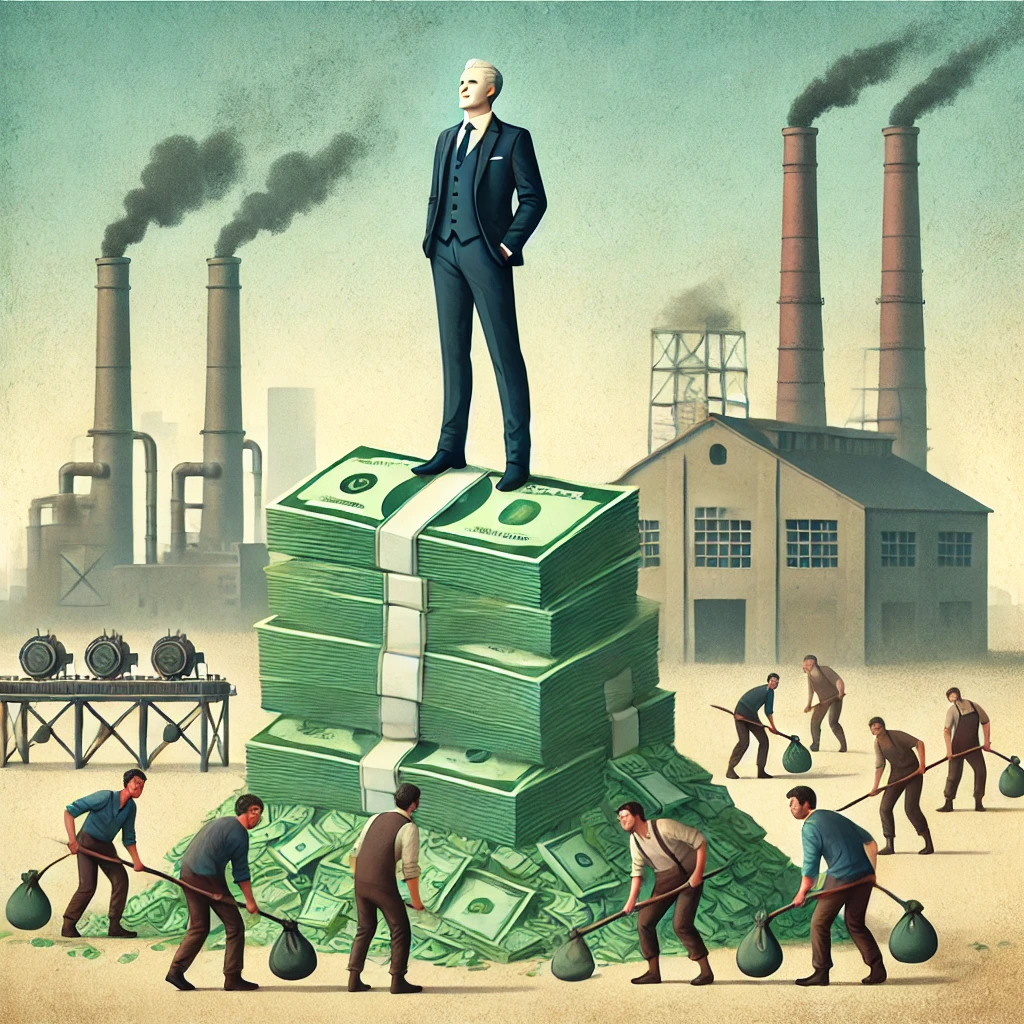
Examining how financial speculation, debt-driven policies, and flawed economic indicators create a misleading picture of progress.
Summary
- From Production to Speculation: The Shift in Economic Focus
- The Role of Debt and Monetary Policies in Fake Growth
- Asset Inflation: The Illusion of Wealth Creation
- Corporate Profits vs. Social Well-being: A Growing Disparity
- GDP: A Flawed Indicator of Economic Health
- Conclusion: Towards a More Sustainable Economic Model
Economic figures today suggest boundless growth, yet everyday reality tells a different story. Despite booming stock markets and rising GDP, many individuals face stagnant wages, escalating living costs, and job insecurity. This paradox prompts a crucial question: Are modern economies truly advancing, or is growth an illusion fueled by financial engineering and speculation?
From Production to Speculation: The Shift in Economic Focus
Historically, economic strength was built on tangible industries—agriculture, manufacturing, and services that directly benefited society. However, today’s economies prioritize financial markets over real production.
The Stock Market Illusion
Companies often opt for stock buybacks rather than investing in innovation or workforce development. This artificially boosts stock prices but does little to improve productivity or long-term stability.
The Role of Debt and Monetary Policies in Fake Growth
Modern economies increasingly rely on debt to sustain expansion. Governments, corporations, and individuals borrow extensively, while central banks inject liquidity to maintain financial stability.
Low Interest Rates and the Debt Cycle
Persistent low-interest policies encourage excessive borrowing. While this stimulates short-term growth, it also fosters unsustainable debt levels, heightening long-term financial risks.
Asset Inflation: The Illusion of Wealth Creation
Rising real estate and stock prices are often perceived as indicators of economic success. However, speculation—rather than real income growth—drives much of this asset inflation, deepening economic inequality.
Real Estate Bubbles
In major cities, skyrocketing housing prices are not fueled by an increased need for housing but by investors treating property as a financial asset. This dynamic makes homeownership unattainable for many, widening the wealth gap.
Corporate Profits vs. Social Well-being: A Growing Disparity
Despite record corporate profits, wage stagnation and job insecurity persist. The emphasis on maximizing shareholder value often leads to cost-cutting measures that undermine worker stability.
The Profit Paradox
Many companies continue layoffs and wage suppression even during periods of high profitability. This approach prioritizes short-term financial gains over long-term economic health.
GDP: A Flawed Indicator of Economic Health
GDP measures total economic output but does not reflect wealth distribution, quality of life, or sustainability. Growth driven by financial speculation or disaster recovery efforts is counted positively, despite questionable societal benefits.
Alternative Measures
To assess true economic progress, alternative indicators such as the Human Development Index (HDI), Genuine Progress Indicator (GPI), and inequality-adjusted measures should be considered.
Conclusion: Towards a More Sustainable Economic Model
Modern economies have become increasingly detached from real value creation. Rising GDP and corporate profits often obscure fundamental issues like inequality, unsustainable debt, and speculative bubbles. For a more equitable future, policymakers must prioritize sustainable economic practices, wealth redistribution, and tangible value creation over financial manipulation.
True progress should be measured by improvements in living standards, job security, and societal well-being—not just financial metrics that benefit a privileged few.
References
- Piketty, T. (2014). Capital in the Twenty-First Century. Harvard University Press.
- Mazzucato, M. (2018). The Value of Everything: Making and Taking in the Global Economy. Allen Lane.
- World Bank. (2023). “Global Economic Prospects.” Retrieved from World Bank
Comments